
POWER WASHING
SERVING BOSTON & THE GREATER BOSTON AREA
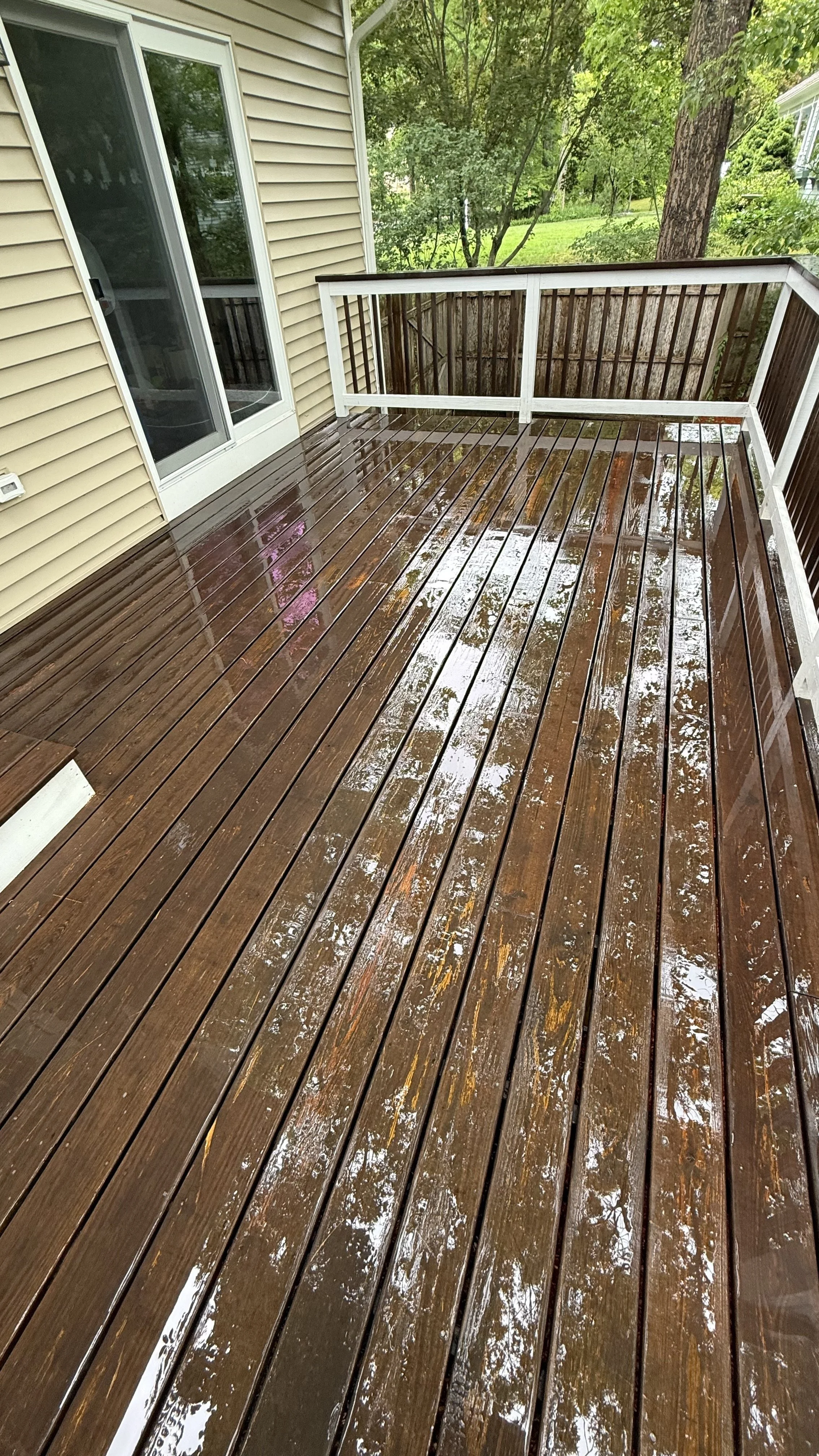
A house is like a body: paint and siding are its skin, and the framing and wood underneath are its bones. What damages those bones most isn't time — it's water. Water damage is the number one cause of rotted wood, and rot spreads quietly behind the siding until a cleaning problem becomes a carpentry problem, and a carpentry problem becomes a structural one.
That's why washing matters, even when you're not painting. Dirt, mildew, and algae hold moisture against your home season after season; washing removes them and lets the wood dry. And before painting it's not optional — paint over dirt and mildew fails early, no matter how good the paint is.
Different surfaces need different water. Siding, decks, and fences get a soft wash — low pressure, the right solution — while concrete can take a true power wash. And there's no contradiction in fighting water with water: the water that rots a house is water that stays, soaking the wood month after month. Wash water passes in an afternoon, and the surface dries clean behind it. Washing can even be done in winter, on any day above freezing.
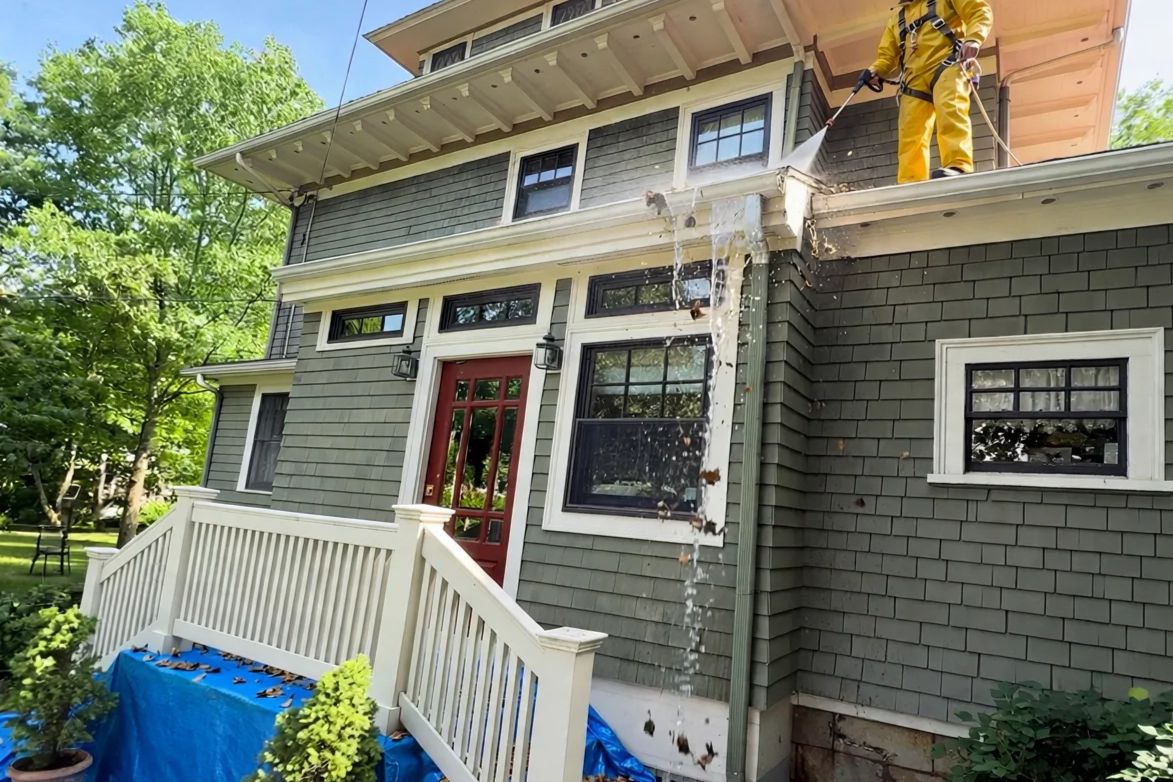
Gutters deserve a special mention. Full of leaves, the water has nowhere to go — it overflows and soaks the trim, fascia, and window wood, which is exactly how rot starts. Clean, flowing gutters are one of the cheapest ways to protect the biggest asset you own: your house, and the bones it stands on.
What we wash:
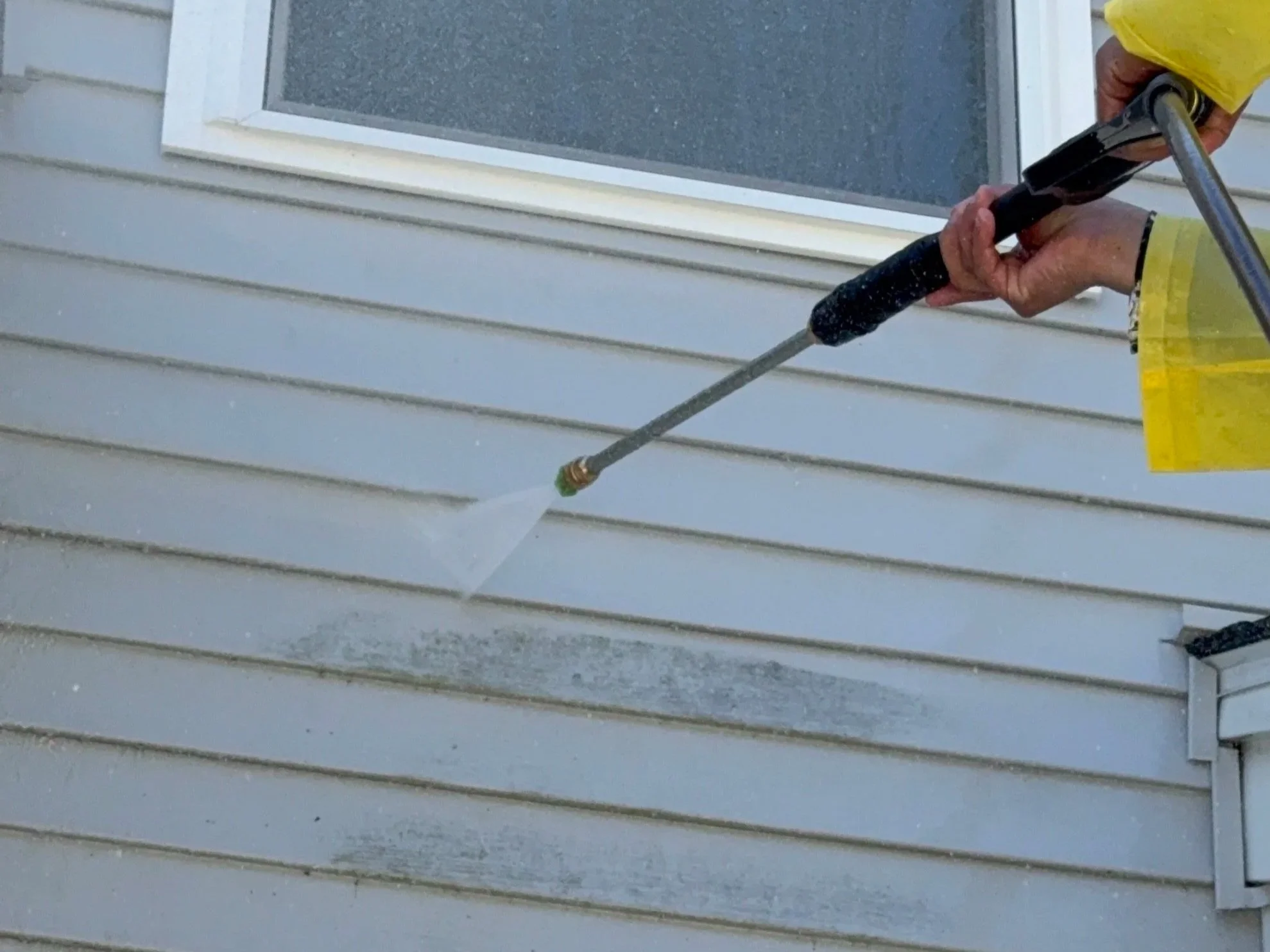
House Siding
Your home's skin. Mildew, pollen, and algae trap moisture against it and cause paint to fail early — a gentle, soft wash removes them without damaging the surface.
Decks & Porches
Wood and composite gray out over time and grow slippery algae. A careful wash brings the color back, makes the surface safe to walk on, and is the required first step before any stain.
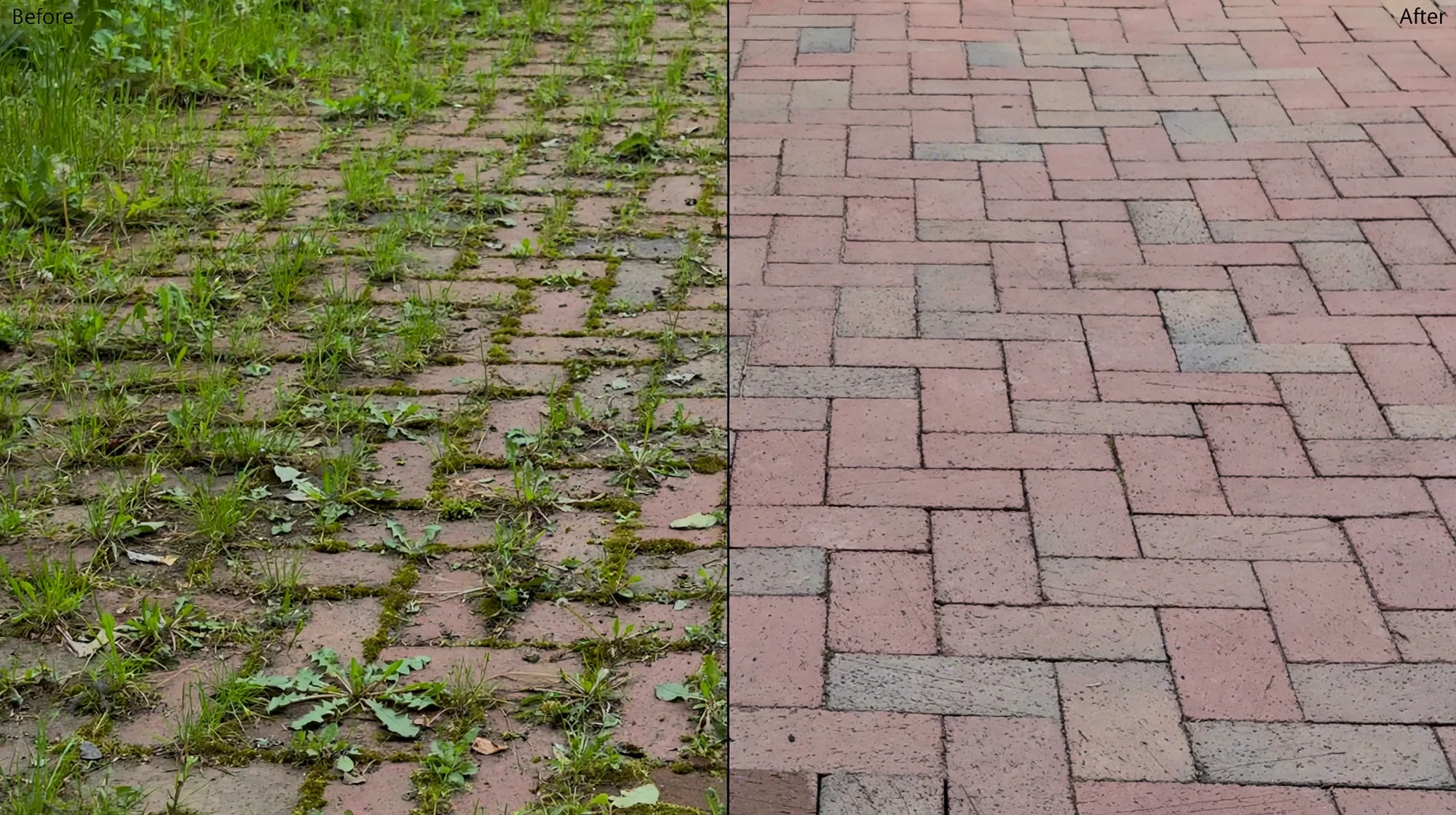
Walkways & Driveways
When grass and weeds start growing up through the pavers, the whole front of the house looks forgotten. We wash the weeds, moss, and ground-in dirt out of every joint and bring the brick back to its real color — the difference shows in a single pass.
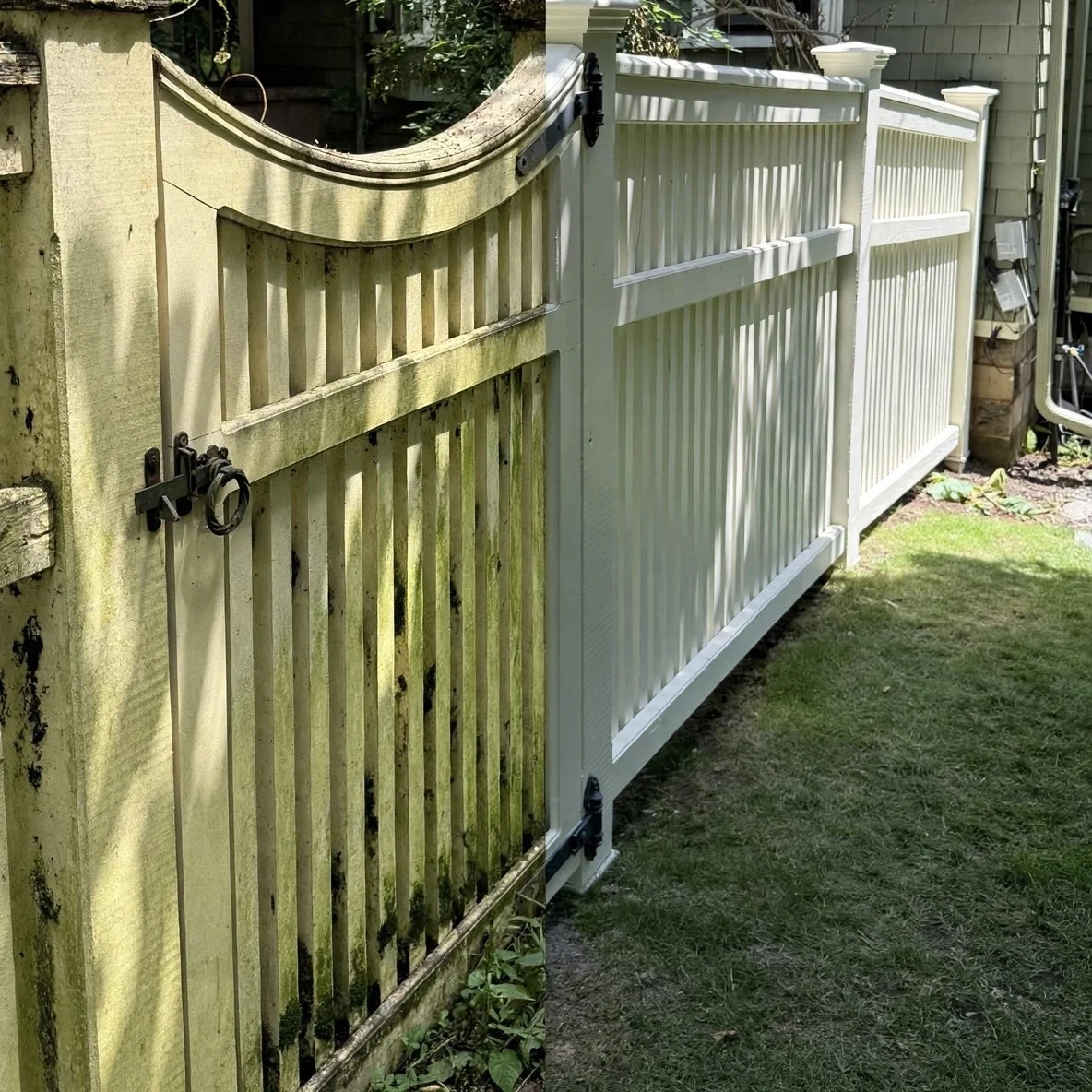
Patios & Fences
This fence had gone yellowish and green with algae, and its post caps had rotted through. We washed the whole fence first, replaced the caps and repaired the damaged wood, then primed everything and sprayed two coats. A fence restoration always starts with the wash — you can't build a finish on top of green.
Gutters
Leaves and debris block the drainage, and the overflow soaks your trim and fascia — exactly how rot starts. We clear them out and brighten the gutter faces so the water goes where it belongs.
Ready to wash the years away?
Tell us a little about your project, and we will be in touch shortly to schedule your free walkthrough.